

When you eat in a restaurant or pick up some groceries, you assume that your food is handled and prepared with safety in mind. And it usually is, thanks in large part to the efforts of the Food and Drug Administration (FDA). Even though the agency has been around since 1848, the FDA Food Code is only 30 years old. But in those 30 years, it’s made massive strides toward keeping everyone safe and healthy.
The FDA Food Code is a detailed guidebook that outlines the best practices for retail food handling. Each version — and there are several — is based on the latest scientific information and data that helps the industry prevent foodborne illnesses and outbreaks. It also provides guidance to local governments for structuring their regulations.
Since the Code was introduced, the risks of foodborne outbreaks and illnesses have dropped, increasing public confidence in the retail food handling industry.
The first version of the FDA Food Code was published in 1993, and since that time, there have been several updates. Between 1993 and 2001, the Code was updated every two years, but that changed to every four years in 2005, resulting in a total of nine different versions. The next major update is expected in 2025.
Occasionally, the FDA Food Code issues a Food Code Supplement between regular updates. These Supplements update, modify, or clarify provisions in the Code based on recommendations made by regulatory bodies, industry experts, and academics that happen outside of the regular updates.
For example, the 2022 Supplement was issued in 2024 and clarified in detail how and when containers can be refilled and reused.
The December 2022 version of the FDA Food Code updated handwashing sink guidelines. While most of the regulations were the same or similar to previous versions of the Code, the biggest update was to the minimum hot water temperature, dropping from 100 degrees Fahrenheit to 85 degrees Fahrenheit.
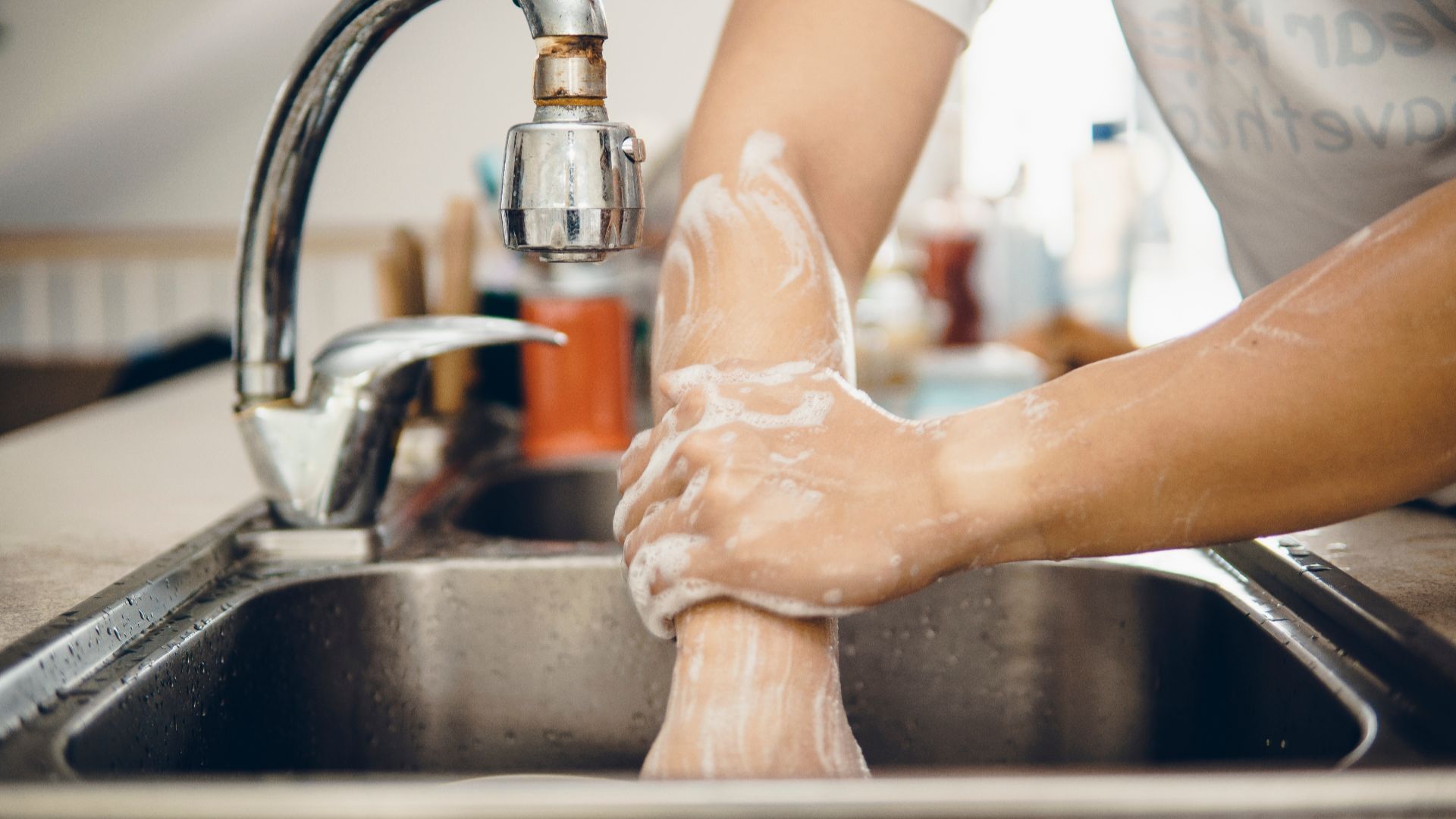
The remaining regulations include:
The Code also includes several Annexes, which explain the reasons why the FDA included specific items in the Code. For example, Annex 3 explains that having “sufficient handwashing sinks” is important because employees with access to more than one handwashing sink are more likely to wash their hands, which is critical to prevent the spread of foodborne illnesses.
Adopting some or all of the FDA Food Code is entirely voluntary. However, the goal of the FDA and its Retail Food Safety Initiative is to encourage all states and territories to adopt all of the FDA Food Code and to regularly update their rules and regulations to align with the current Food Code.
The FDA tries to make the regulations within the Food Code as easy to adopt as possible. Currently, 49 of the 50 states have adopted at least one version of the Code, with California being the outlier. However, California has state-specific rules, the California Retail Food Code or CalCode, but even CalCode is modeled after the FDA Food Code. In essence, this means every state uses the FDA Food Code as a basis for its handwashing sink regulations.
It’s important to note that when we’re talking about adopting the FDA Food Code, we’re talking about the most recent version. Fewer than half the states adopted the most recent version of the Code when it was released, but at least 90% of the U.S. population lives in a state that has some kind of handwashing sink regulation, which has a significant impact on their health and safety.
To see how well the regulations are working in places where they are adopted, the FDA’s National Retail Food Team conducted a 10-year trend study between 1998 and 2008 that tracked safety and hygiene practices in the retail food industry. Poor personal hygiene — which includes hand washing — was tracked during this time.
In full-service restaurants, the FDA found high rates of non-compliance (around 40%). It was slightly less in retail food deli departments, dropping from 27% to 23.5% between 1998 and 2003. However, it’s critical to note that the FDA may have marked an employee “non-compliant” for something as simple as failing to wash their hands after touching their apron. A new 10-year trend report was conducted between 2013 and 2024 and has yet to be published, but may show different results.

While the trend report is discouraging, the FDA also found that between 1998 and 2008, the number of foodborne disease outbreaks generally decreased by about 6.1%. The report did not definitively conclude that proper handwashing made a positive impact on the numbers, but did find that improved prevention and control measures across the food supply chain did have an impact.
Despite being voluntary, many states model their handwashing sink regulations on the FDA Food Code guidelines. And complying with state rules for handwashing sinks is mandatory for most, if not all, retail food establishments in every state.
If you’re a retail food business, commercial food processor, or any kind of business that’s subject to handwashing sink regulations, Ozark River Manufacturing’s portable sink solutions can help you comply. Our sinks come with hot and cold running water, integrated soap dispensers, and set up in a snap. Contact us today and learn more about our portable sink solutions or browse our full line of products.


Take your time but make sure to save your cart. Drop us your email and we'll take care of the rest!